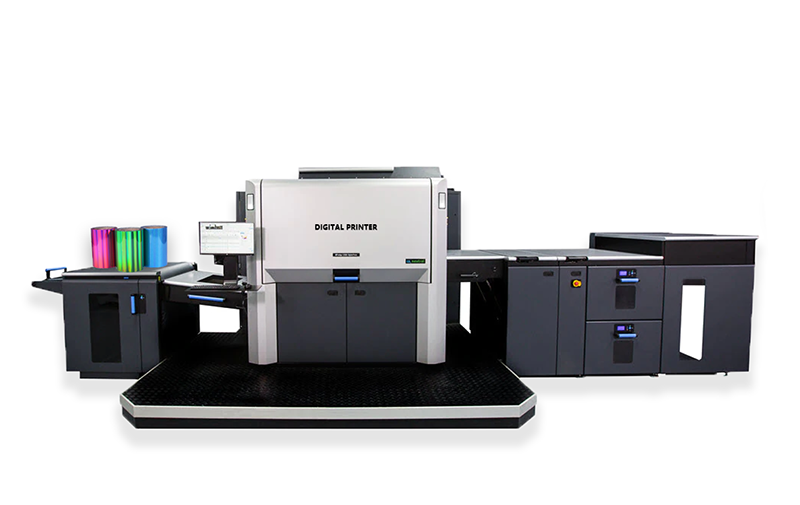
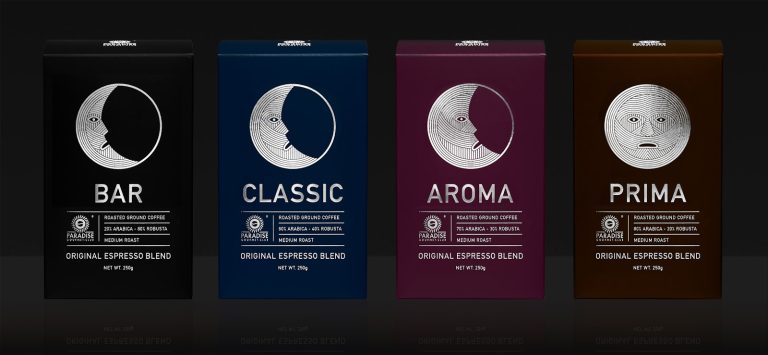
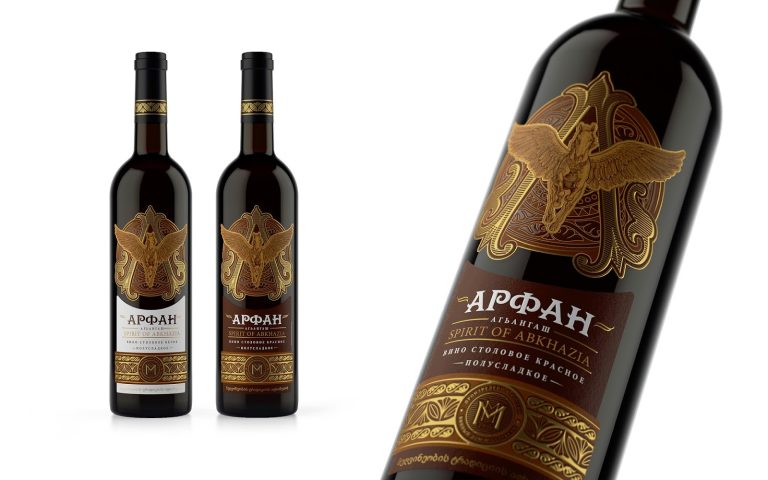
Digital foiling technology is transforming the decorative finishing industry, enabling metallic and holographic effects without traditional dies or lengthy setup processes. This revolution is particularly impactful for short-run production, personalization, and rapid prototyping.
How Digital Foiling Works
Digital foiling systems use electrophotographic or inkjet technology to apply adhesive in precise patterns, followed by foil application and removal. The process eliminates metal dies, reducing setup time from hours to minutes.
Key Technology Approaches
Toner-Based Systems: Use specialized toner that acts as foil adhesive when heated. Compatible with standard digital presses with foiling units added.
Inkjet Adhesive Systems: Print UV-curable adhesive through inkjet heads, offering higher resolution and variable data capability.
Hybrid Systems: Combine digital adhesive application with roll-to-roll foil transfer for higher volume production.
Advantages Over Traditional Methods
No Die Costs Traditional hot stamping requires custom dies that cost hundreds to thousands of dollars. Digital foiling eliminates this barrier, making short runs economically viable.
Rapid Turnaround Jobs can move from design to finished product in hours rather than weeks, enabling last-minute changes and rush orders.
Variable Data Capability Each printed piece can be unique, enabling personalized foil elements like individual names or sequential numbering.
Design Flexibility Fine details, gradients, and photographic images are possible in metallic form—effects difficult or impossible with traditional stamping.
Current Limitations
Speed Digital systems are slower than high-speed rotary hot stamping, limiting their role in high-volume production.
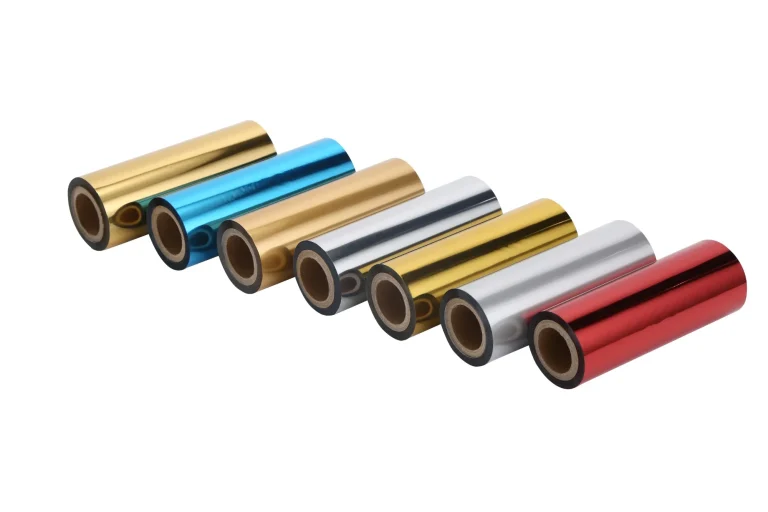
Foil Selection While improving, the range of foils optimized for digital application is smaller than traditional options.
Substrate Requirements Most digital foiling systems require smooth, coated substrates for optimal results.
Ideal Applications
Prototype and sample production
Limited editions and personalized products
Variable data applications (invitations, certificates)
Quick-turn promotional materials
Short-run luxury packaging
Market Evolution
As digital foiling technology matures, expect faster systems, broader foil compatibility, and increasing integration with commercial print workflows. The technology is democratizing premium finishing, making metallic effects accessible to brands and projects of all sizes.