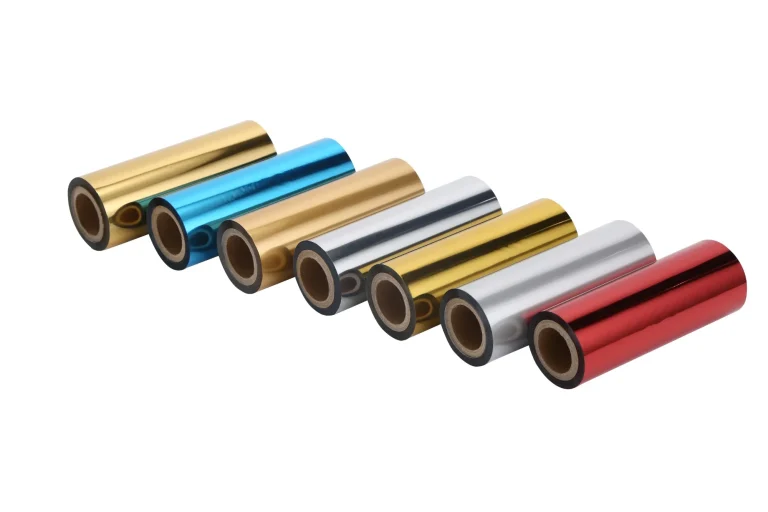
Choosing between cold foil and hot foil stamping is one of the most important decisions in packaging decoration. Each technology offers distinct advantages depending on your specific requirements. This comprehensive guide will help you make an informed decision.
Understanding Hot Foil Stamping
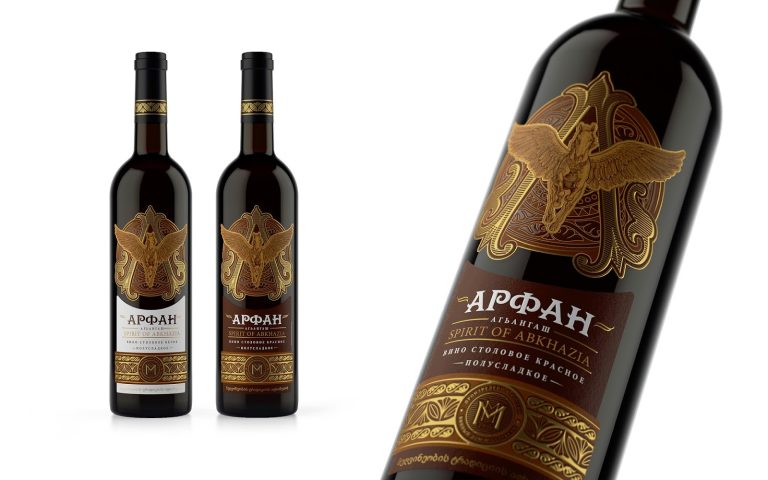
Hot foil stamping uses heat and pressure to transfer metallic or pigmented foil onto a substrate. A heated die presses the foil against the material, activating the adhesive layer and bonding the decorative coating to the surface.
Advantages of Hot Foil: – Superior adhesion on textured surfaces – Excellent for embossing combinations – Wide range of specialty effects available – Better performance on difficult substrates – Consistent results on short and long runs
Considerations: – Requires custom dies for each design – Setup time can be significant – Higher per-piece cost for complex designs
Understanding Cold Foil Application
Cold foil uses UV-curable adhesive printed on the substrate, followed by foil application and UV curing. The foil adheres only where adhesive was applied, and excess foil is removed.
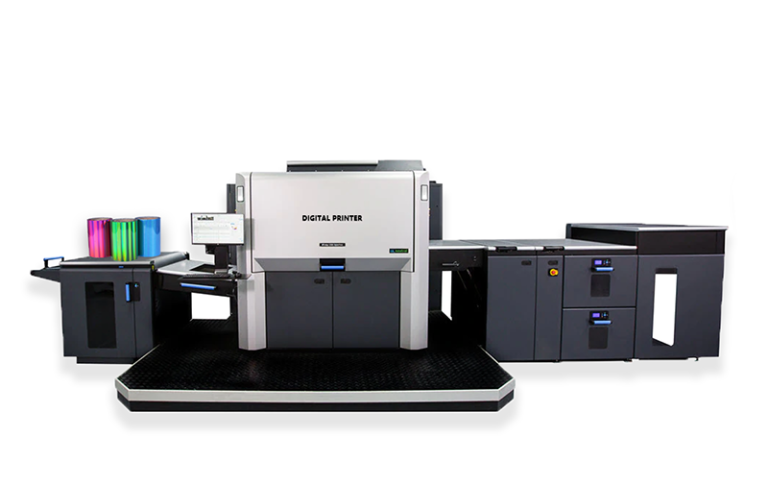
Advantages of Cold Foil: – No dies required – uses existing print plates – Faster setup and changeover – Cost-effective for variable designs – Can achieve fine detail and halftones – Ideal for inline press integration
Considerations: – Requires smooth substrates for best results – Limited embossing capability – May not match hot foil brilliance on all applications
Cost Comparison
For short runs with simple designs, hot foil often proves more economical due to lower material costs. However, cold foil becomes increasingly cost-effective as design complexity increases or when variable data is required.
Quality Considerations
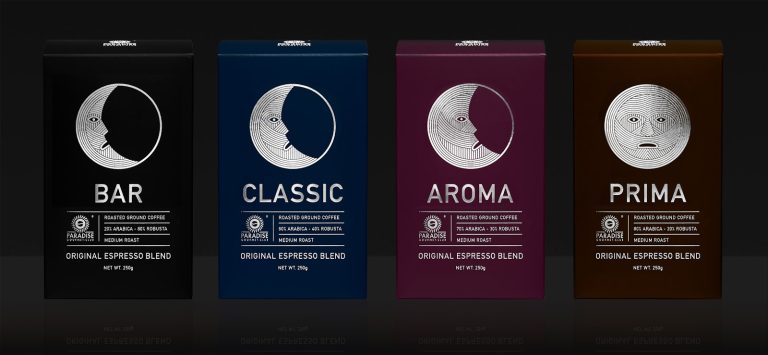
Hot foil typically delivers higher brilliance and better opacity, particularly on darker substrates. Cold foil excels at reproducing fine details and photographic images in metallic form.
Making the Right Choice
Consider hot foil when: – Premium brilliance is essential – Combining with embossing – Working with textured materials – Running consistent designs at high volumes
Consider cold foil when: – Fine detail reproduction is critical – Variable or personalized designs are needed – Quick turnaround is required – Integrating with inline printing processes
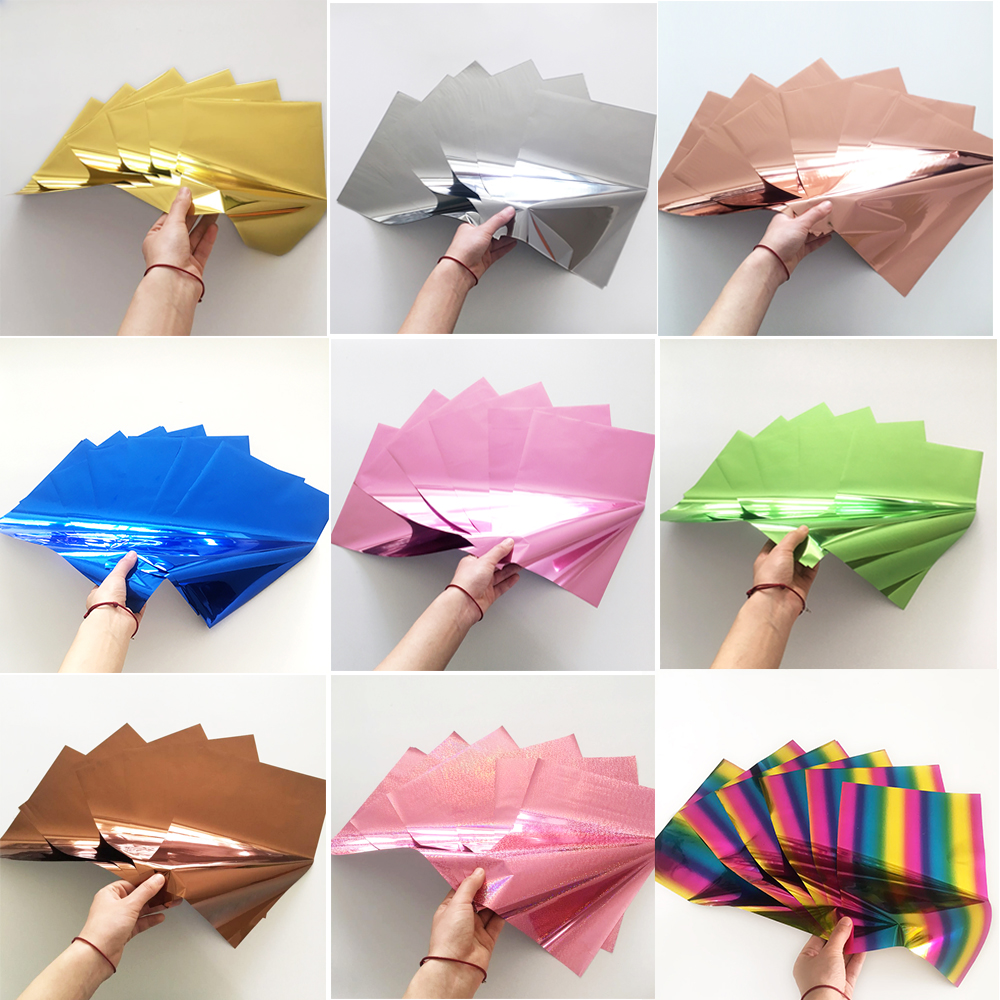
View our full range of hot and cold foils.