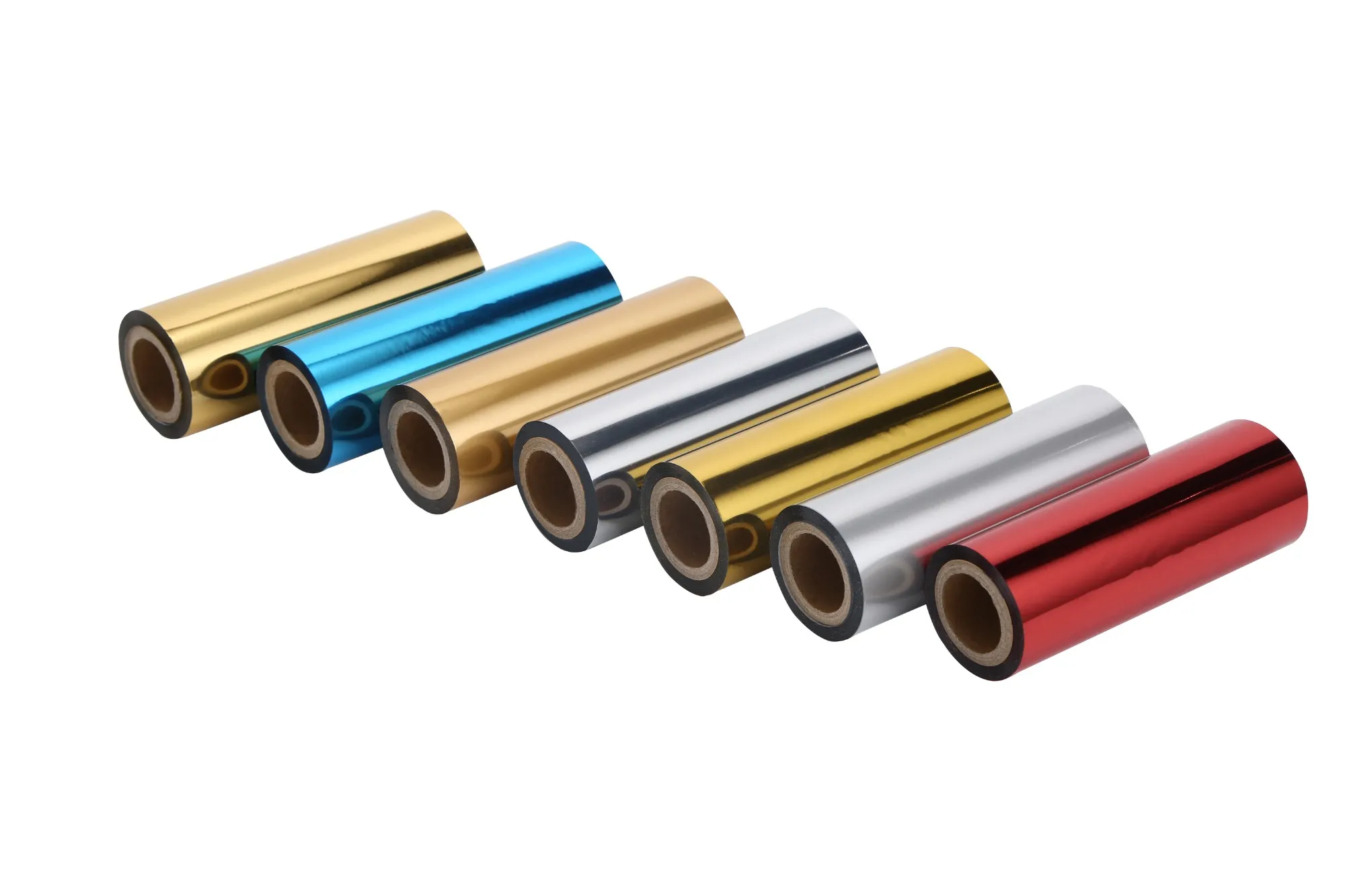
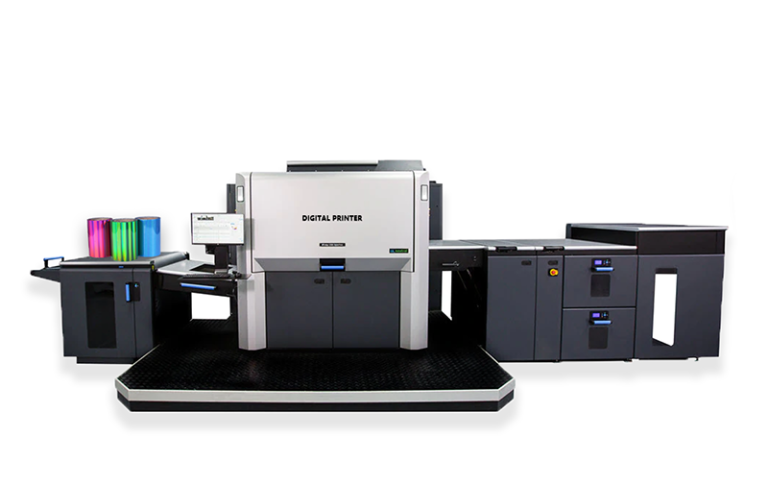
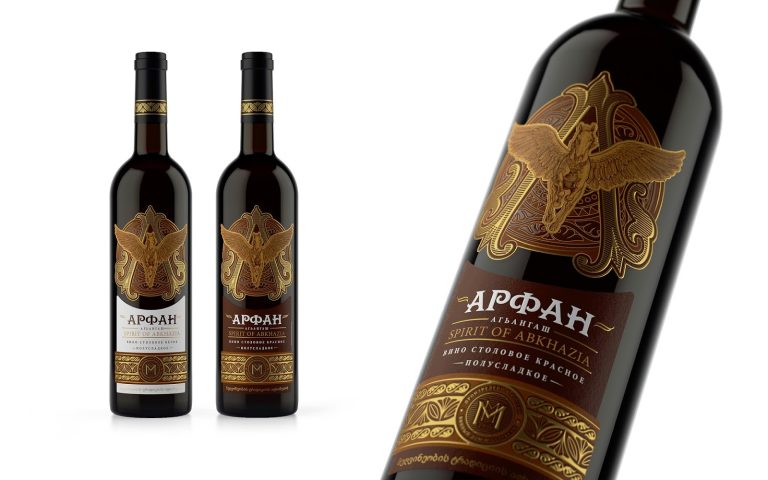
Selecting the right hot stamping foil is crucial for achieving optimal results in your finishing project. The wrong choice can lead to poor adhesion, inconsistent appearance, or production problems. This guide will help you navigate the selection process with confidence.
Understanding Foil Construction
Hot stamping foils consist of multiple layers, each serving a specific function:
Carrier Film: The base layer (usually polyester) that supports the other components
Release Layer: Allows clean separation from the carrier during stamping
Lacquer Layer: Provides surface protection and gloss characteristics
Metallic or Pigment Layer: Creates the visual effect
Adhesive Layer: Bonds the foil to the substrate
Substrate Considerations
Paper and Cardboard – Standard metallics work well on coated papers – Use high-tack formulations for uncoated or textured stocks – Consider specialty adhesives for recycled content papers
Plastics – Match foil chemistry to plastic type (PP, PE, PVC, etc.) – Pre-treatment may be required for low surface energy plastics – Test adhesion thoroughly before production
Leather and Faux Leather – Use flexible formulations that won’t crack with material movement – Lower stamping temperatures prevent substrate damage – Matte finishes often work better than high-gloss on textured leathers
Fabric and Textiles – Specialized textile foils with flexible adhesive systems required – Consider wash resistance requirements – Test on actual production materials
Temperature and Pressure Optimization
Each foil type has optimal stamping parameters:
Standard Metallics: 100-120°C, medium pressure
Holographics: 90-110°C, light to medium pressure
Pigmented Foils: 110-130°C, medium to heavy pressure
Textile Foils: 130-160°C, heavy pressure
Color Selection Guidelines
Request physical samples in your actual substrate
Consider viewing conditions (retail lighting, outdoor, etc.)
Evaluate color against competing products on shelf
Account for substrate color showing through transparent foils
Testing Protocol
Before committing to production, conduct thorough testing:
Adhesion testing (tape pull, scratch resistance)
Environmental exposure (heat, cold, humidity)
Chemical resistance if applicable
Accelerated aging simulation
Production speed trials